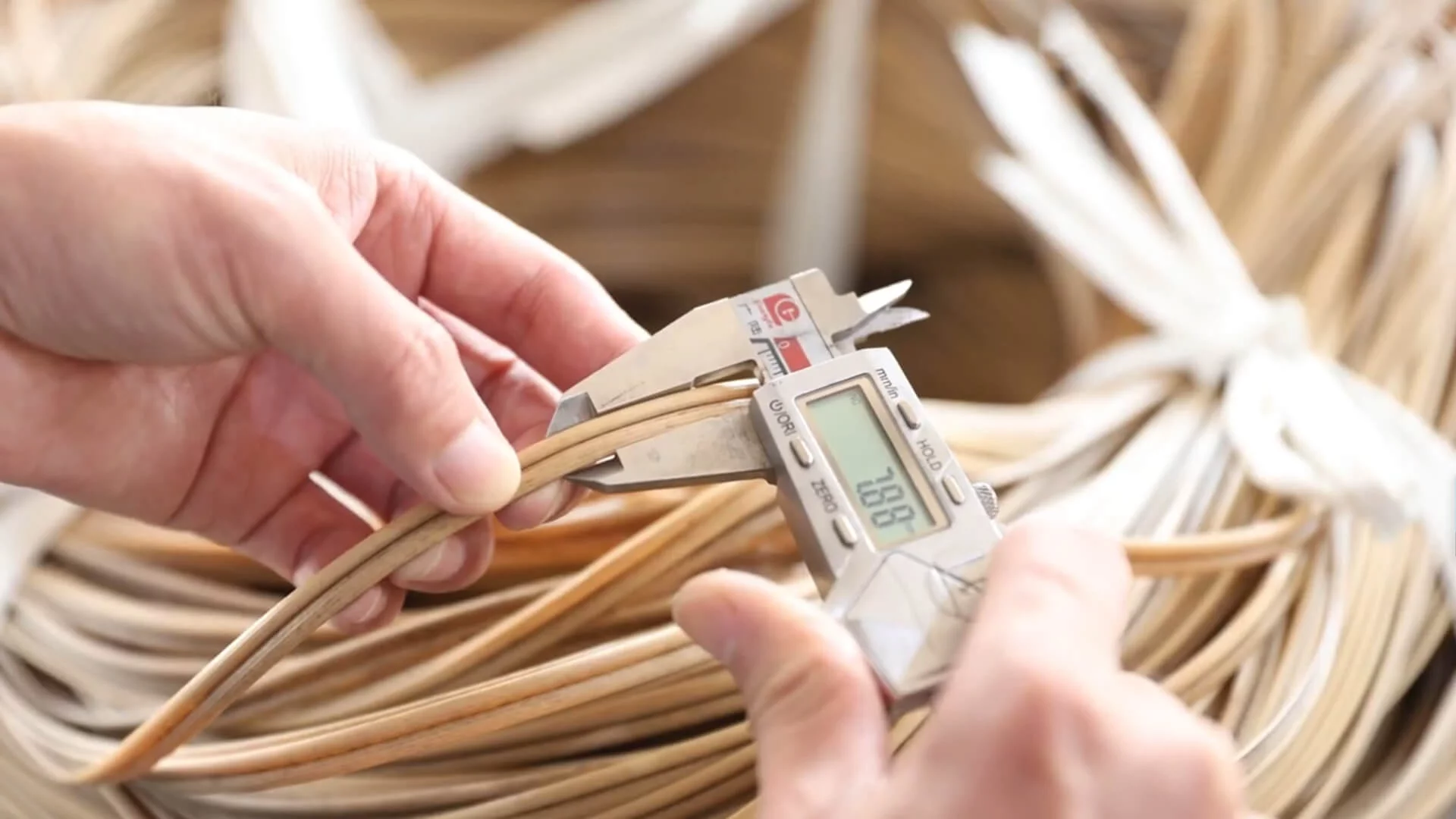
We Innovate With Environmental Awareness
Enrich your projects with our woven rattan sheet material for indoor and outdoor projects.
Introduction
Synthetic rattan is an artificial material designed and manufactured to replicate the look and texture of natural rattan, a traditional material derived from the rattan palm tree, which grows in tropical regions. Unlike natural rattan, which is prone to weathering, fading and moisture damage, synthetic rattan is manufactured by mixing high-density polyethylene and plastic materials, which makes it a stronger and more durable material than natural rattan. This material is mainly available in 4 finishes: flat , round, half moon and Twisted.
Although mainly known for its use in the manufacture of outdoor furniture and accessories, this material has recently adopted a new use in the building and decorating industry as the main option in the decoration/cladding of indoor and outdoor walls and ceilings.
Synthetic rattan sheet is a product that offers perfect finishes in traditional, modern and contemporary styles. It can be installed in Residential Areas, Hotels, Luxury Resorts, Restaurants and Public Establishments.
What is Synthetic Rattan Sheet?
Synthetic rattan sheet is an artificial material designed and manufactured to mimic the appearance and texture of natural rattan, but offering greater strength, durability and lower maintenance. It is available in rolls and panels, usually in flat form. This material can be woven by hand or machine, and can be woven in a variety of patterns and styles, offering perfect finishes for any indoor or outdoor space.
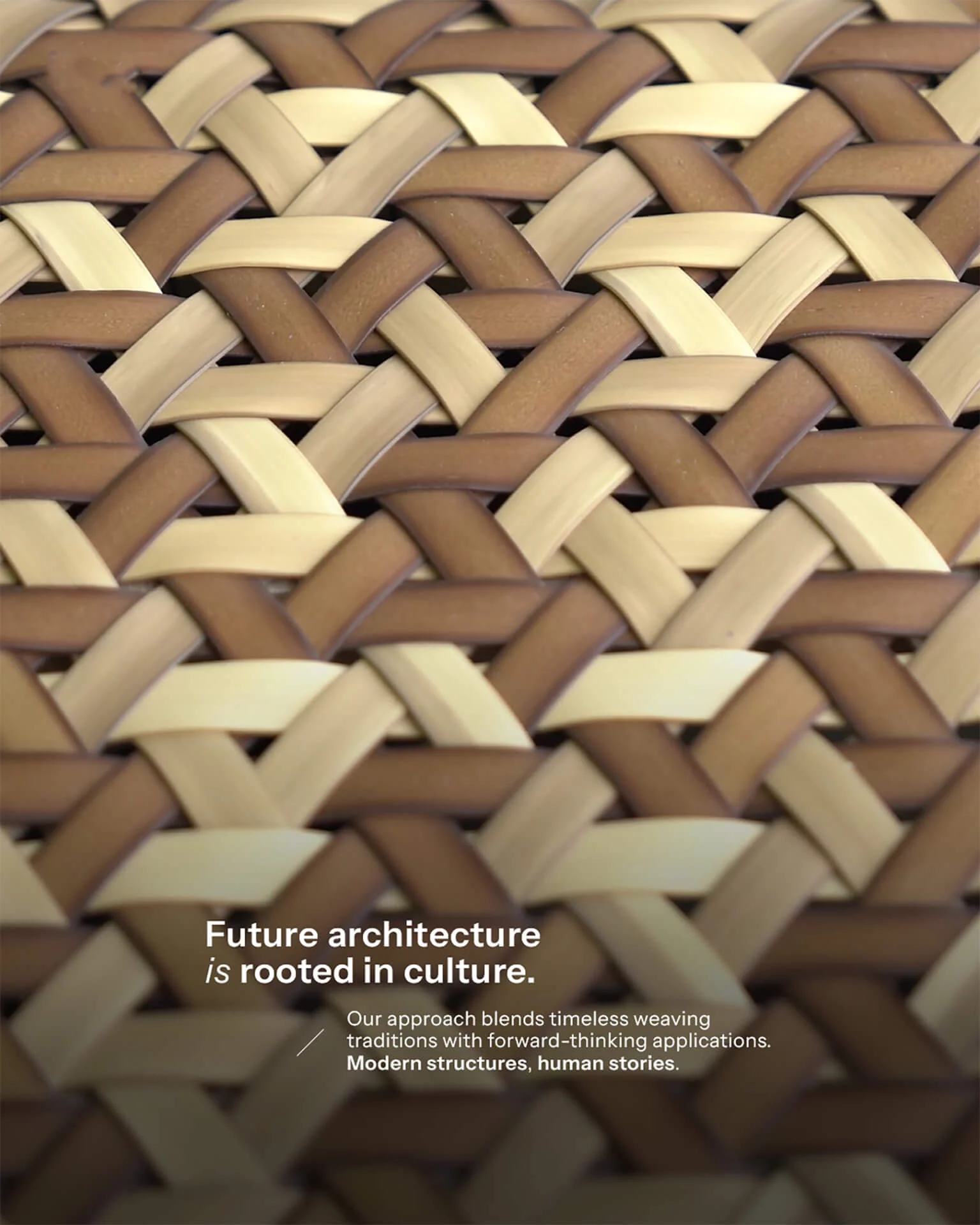
Synthetic rattan sheet is a practical, versatile and durable alternative to natural rattan, especially in projects where weather resistance, elegance and ease of maintenance are a priority.
Features and Manufacturing Process of Synthetic Rattan Sheet.
Main Features of Synthetic Rattan Sheet
The versatility of synthetic rattan sheet to adapt to different projects has become one of the main characteristics that have driven the use of this material. Among the main characteristics that define this material, the following stand out:
Weather resistance: the synthetic rattan sheet is waterproof, UV resistant, will not rot, crack or discolour when exposed to sun/rain.
Durability: the synthetic rattan sheet has a high resistance to wear and tear, knocks and deformations that can be generated by external forces or the passage of time.
Flexibility: Thanks to its main component (synthetic rattan strip), synthetic rattan sheet is a material that can be easily cut, folded and woven into rolls and rectangular and circular structures.
Weight: this is a light material (lighter than wood, similar to its counterpart natural rattan).
Maintenance: after installation, this material can be easily cleaned with soap and clean water, no varnish or special treatment is required.
Synthetic Rattan Sheet Manufacturing Process.
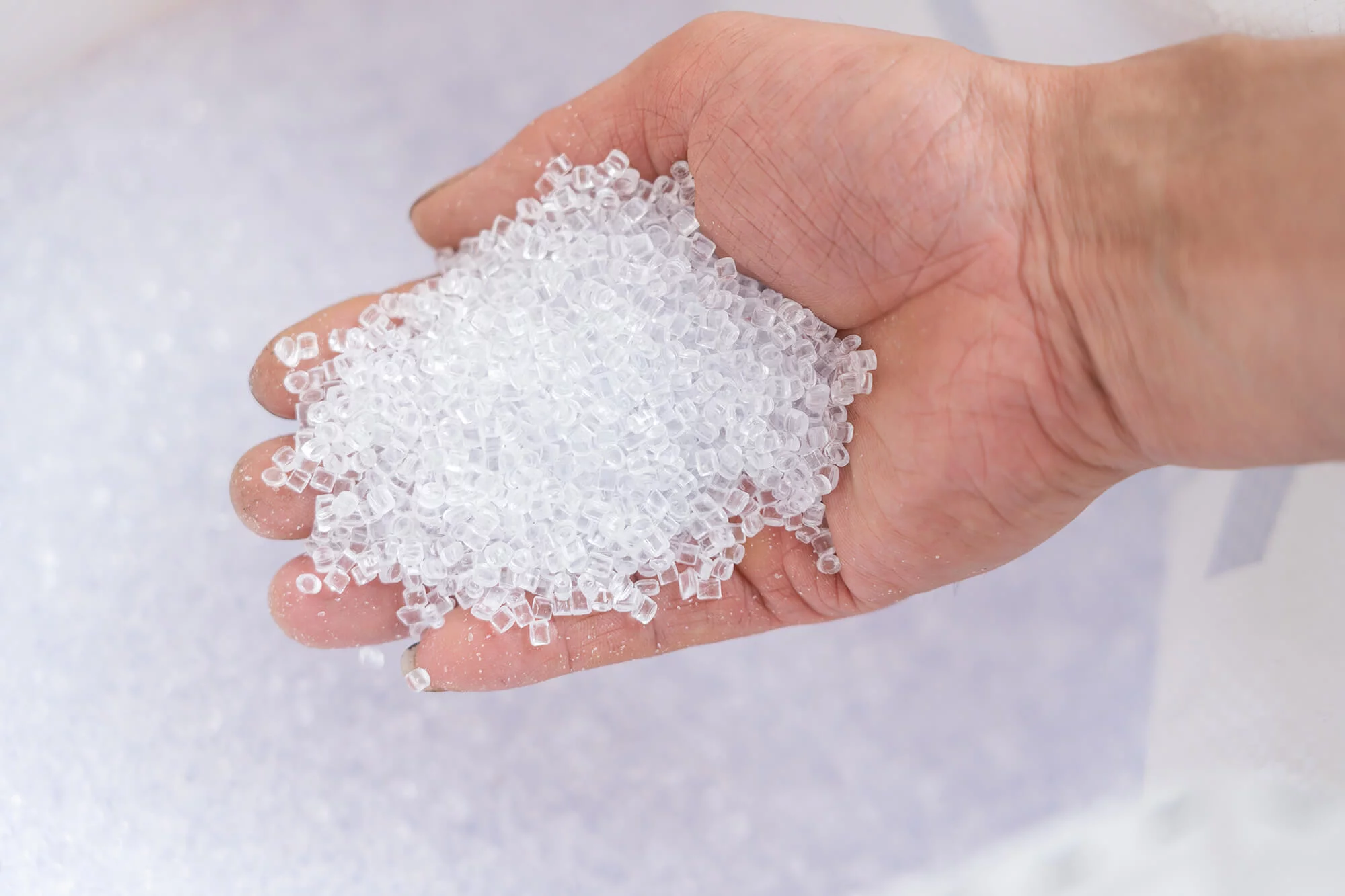
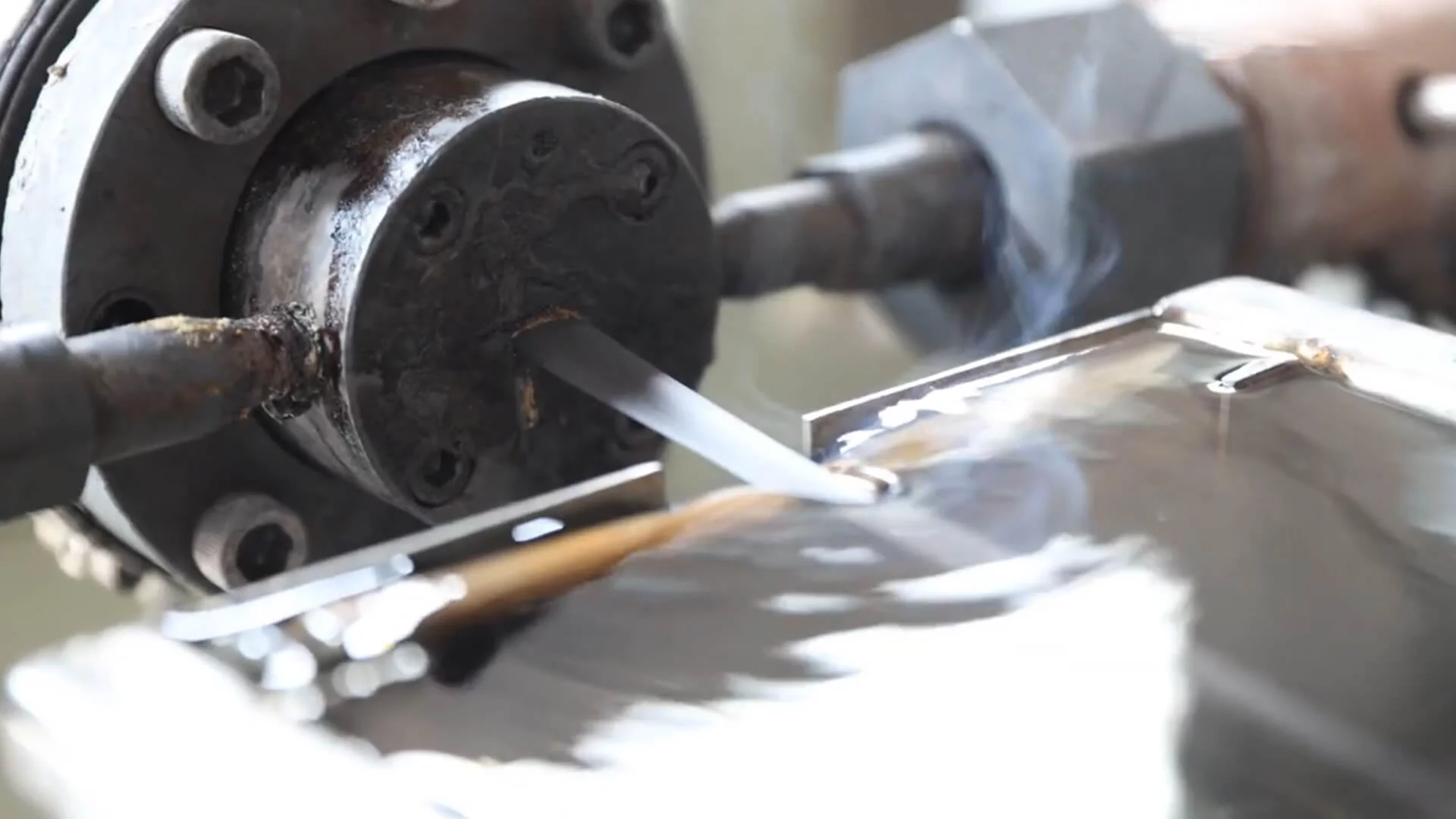
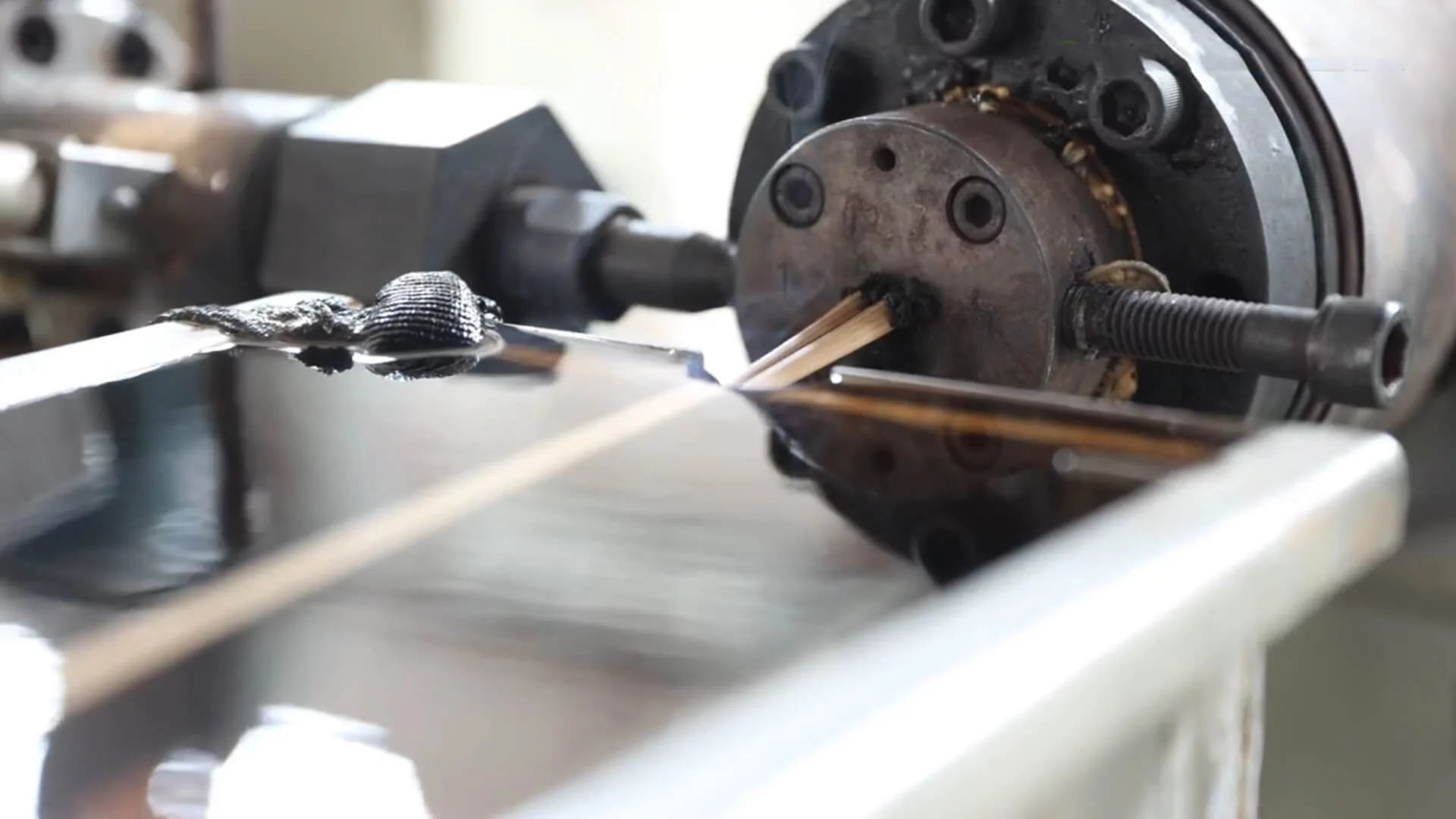
The manufacturing process of synthetic rattan sheet encompasses a series of activities starting with the production of the synthetic rattan strip, as it is the main component of this product. Synthetic rattan strip is obtained by Extrusion after mixing all the fundamental components (HPDE + Plastic Materials + Additives). It is worth mentioning that by this process any finish of the synthetic rattan can be manufactured, i.e. Flat, Round, Half Moon or Seaweed and all are suitable for the manufacture of the rattan sheet.
After the manufacture of the synthetic rattan strip and based on the characteristics of a given decoration project, the manufacturer determines whether the synthetic rattan sheet will be woven by hand, i.e. by skilled craftsmen, or whether the synthetic rattan sheet will be woven by machine.
A) Hand woven synthetic rattan sheet
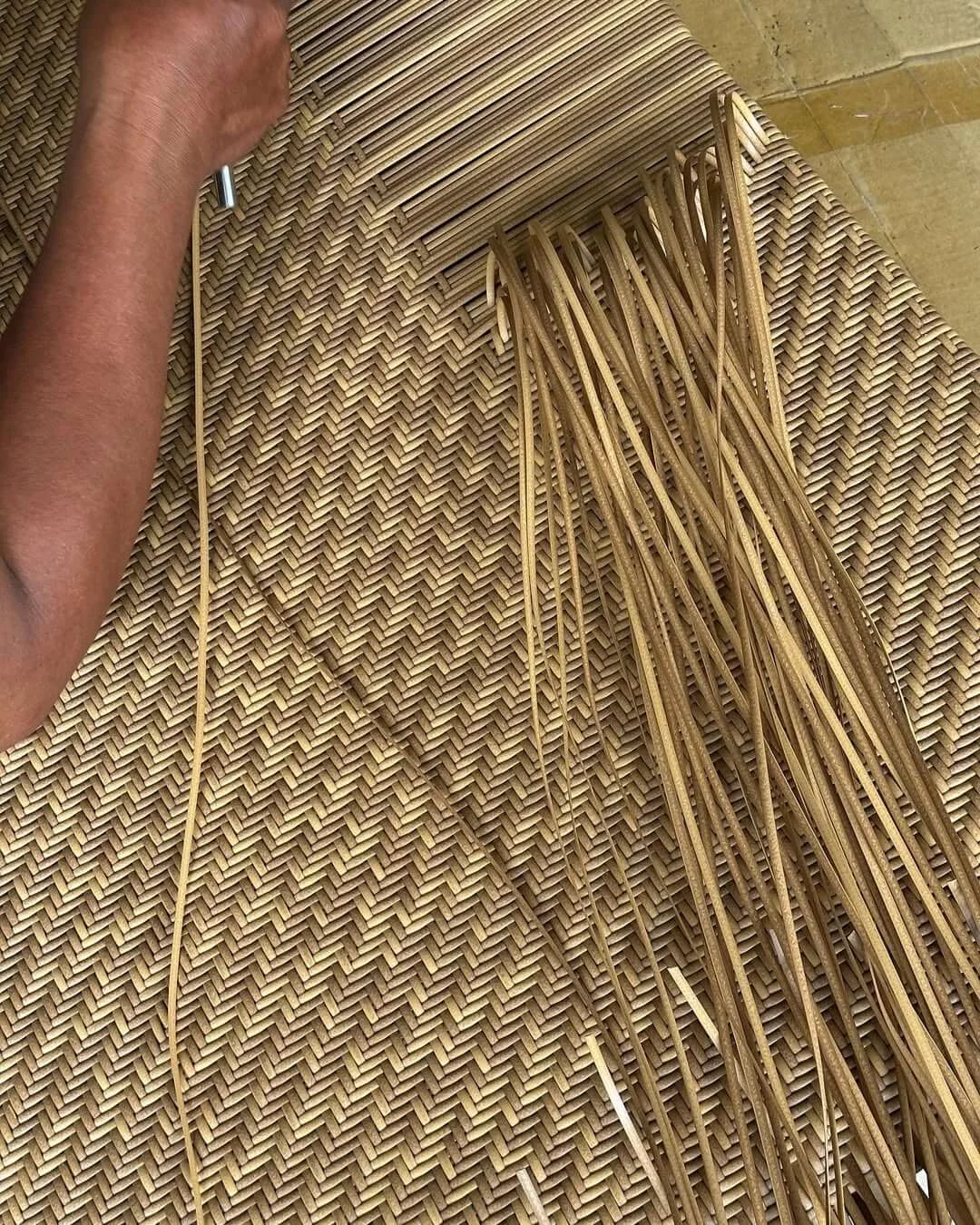
Hand weaving synthetic rattan sheet is the craft of creating a decorative material by manually interweaving flexible strips of synthetic rattan. The direction in which the artisans weave the strips depends primarily on the final pattern or texture to be achieved using adapted basket weaving techniques and specific tools to achieve a roll-like product that can be folded, cut and installed on an aluminium or wooden base to decorate walls or ceilings.
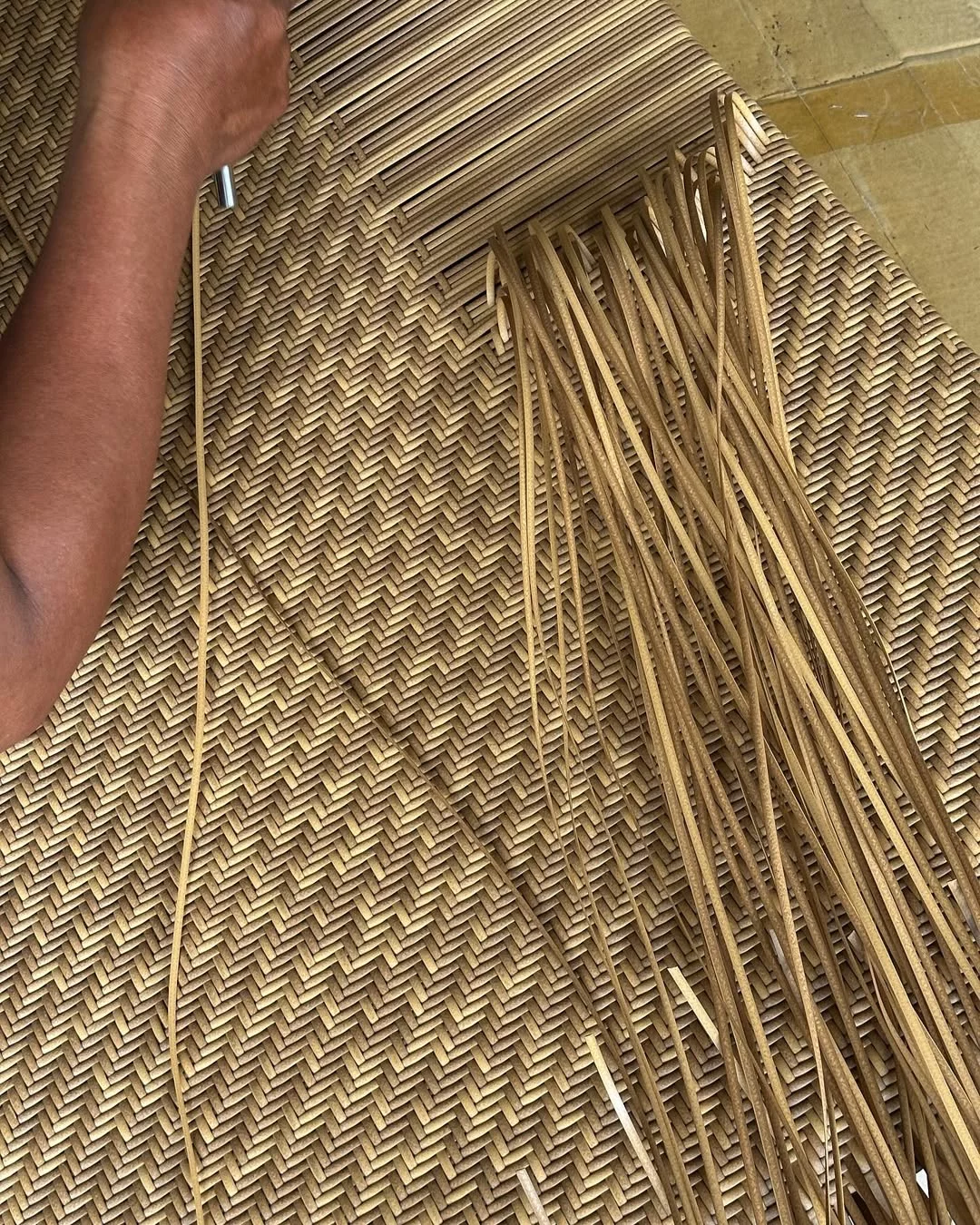
The shape of the synthetic rattan is the main factor that determines whether this material will be hand woven or not, mainly because flat synthetic rattan is the only one of the 4 shapes of synthetic rattan that can be woven by machine weaving. The decision to hand weave the rattan sheet also depends on the pattern or finish you wish to obtain, there are several patterns that can only be woven by hand weaving and cannot currently be woven with a machine.
B) Machine Woven Synthetic Rattan Sheet
This is the easiest way and is a great advance in the manufacture of this product.
This process consists of first determining the pattern to be achieved, then a large quantity of the selected synthetic rattan strip is placed in the machine and finally the machine begins to weave the material according to the length, width and pattern previously determined by the manufacturer.
Synthetic Rattan Sheet: Rolls and Panels.
Synthetic rattan sheet is a material that has become popular in decoration, renovation and construction, which is why the method of manufacturing this material has also undergone a great change.
Nowadays synthetic rattan sheet can be manufactured in two forms: in the form of rolls and on wooden or aluminium structures/panels.
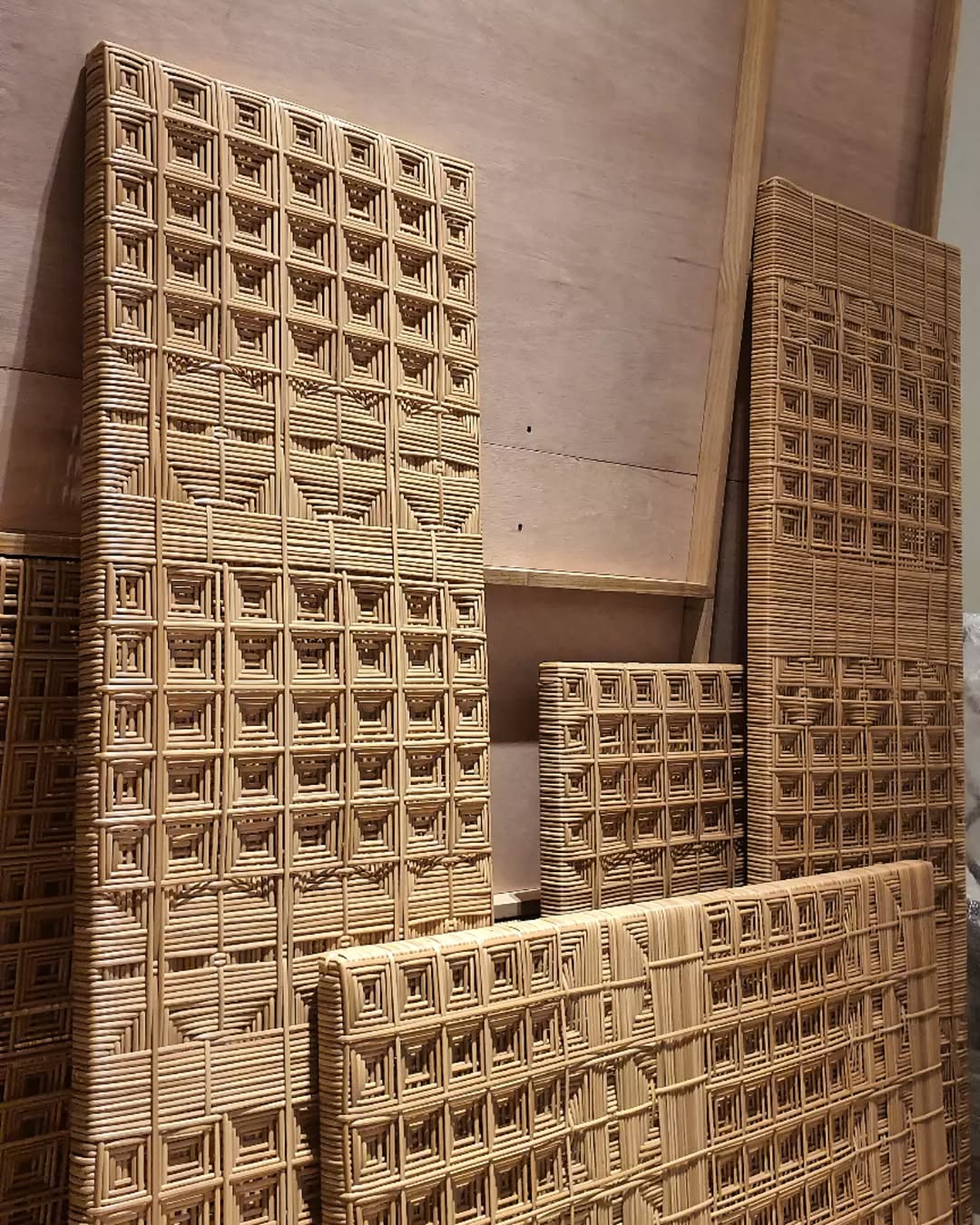
The way to manufacture rattan sheeting depends mainly on the pattern selected for a given project, i.e. there are certain patterns that cannot be manufactured in roll form as the synthetic rattan strips would come loose and the pattern or product you want to achieve would unravel and the only alternative is to weave the material onto aluminium or wooden structures and obtain a panel product ready for installation. However, the most common way to manufacture synthetic rattan sheet is in the form of rolls because it is easier to weave, requires less labour and the synthetic rattan strips remain uniform which allows the patterns to be woven into the desired shape.
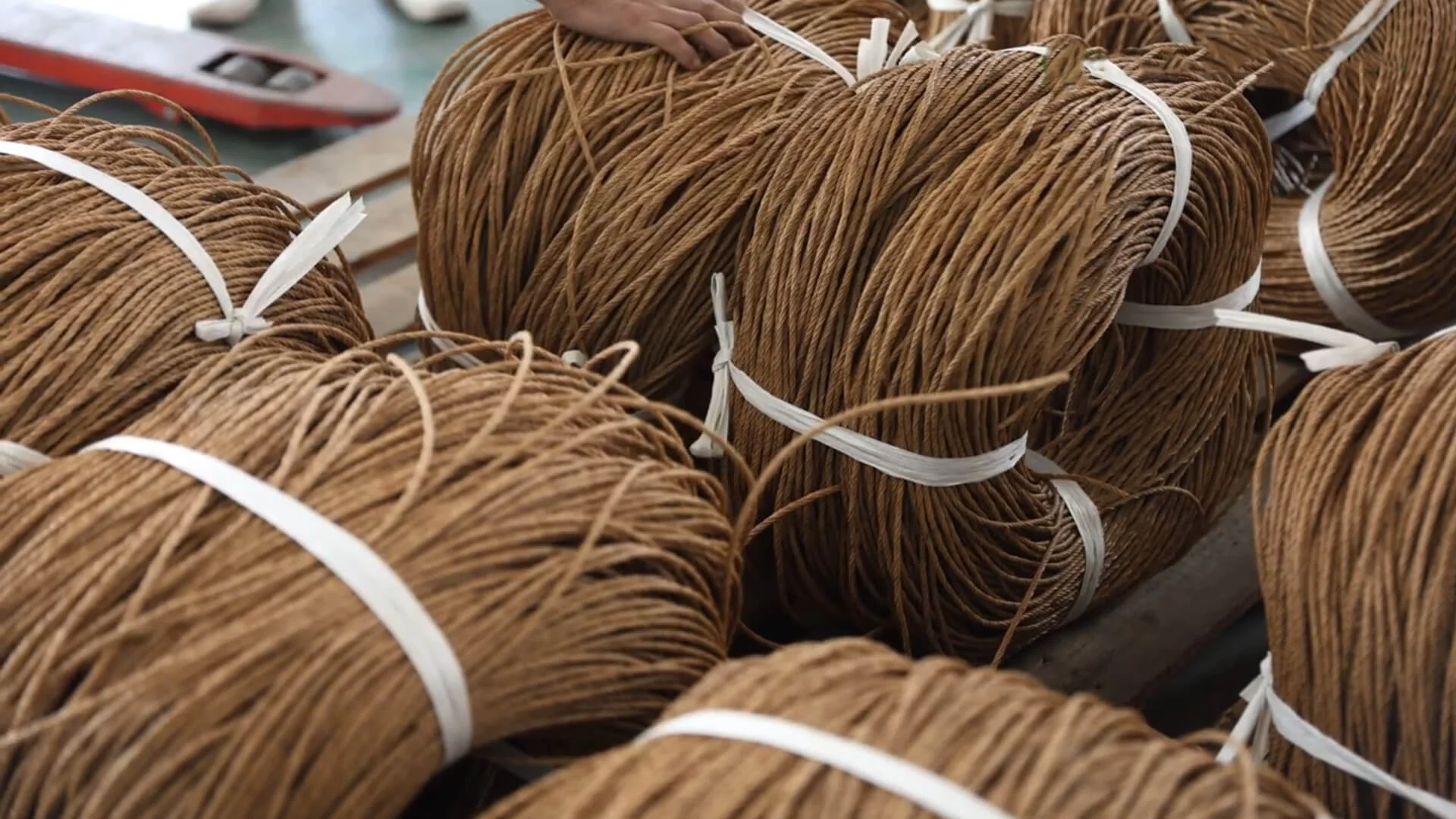
The final product is shipped to the customer in the form of rolls which can then be cut, folded and installed on aluminium or wooden structures and then installed on the walls or ceilings of hotels, restaurants, residences, etc.
Main applications and advantages of synthetic rattan sheeting
Synthetic rattan Sheet / panels are incredibly versatile in interior and exterior decoration. These are their main applications, detailed by zones and uses:
A Wall cladding with woven rattan sheet ( Interior and Exterior )
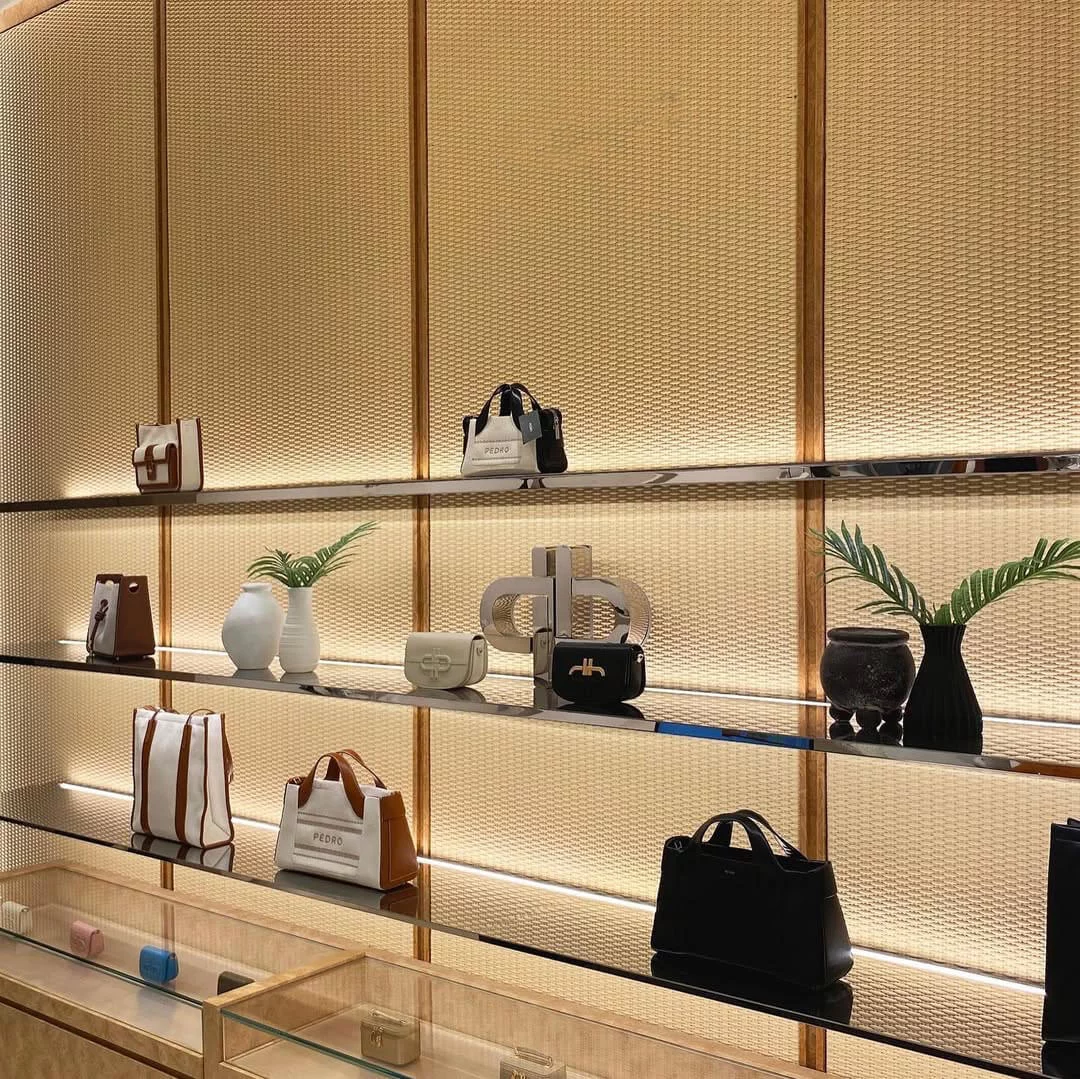
This is one of the main applications of woven synthetic rattan sheet. It is installed on the walls, facades and terraces of hotels, restaurants, luxury resorts, residences and high-end boutiques in order to create a splendid environment through the art of weaving beautiful patterns on a structure that will be visible to all the people who visit that place.
B Ceiling and soffit cladding with woven rattan sheet
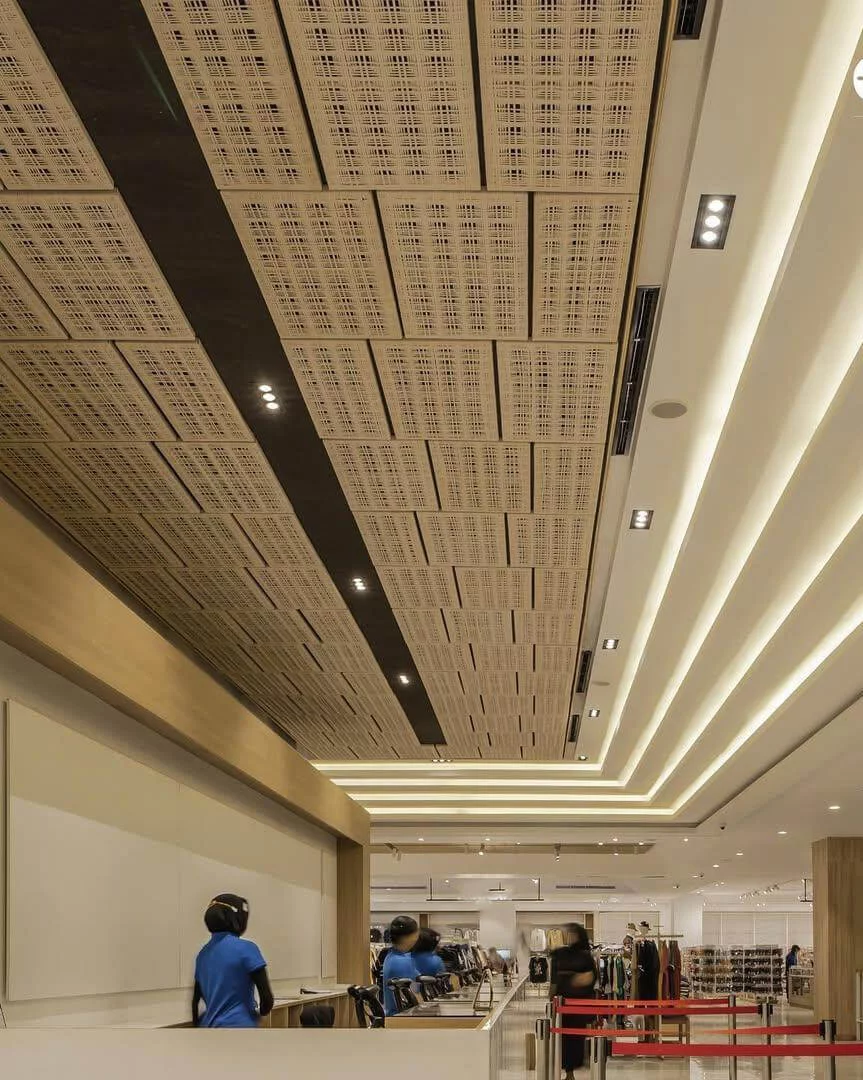
The installation of woven rattan sheet on the ceilings of outdoor decks enhances the aesthetics and lighting creating a unique and cosy space. It can also be installed in the ceilings of living rooms and bedrooms of hotels, residences, hospitals or airports adding depth, warmth that enhance the aesthetics and style of the place.
C Decorative Architectural Elements.
The installation of woven synthetic rattan sheetg on columns and pillars has a special charm that combines aesthetics, functionality and spatial transformation. Moreover, it transforms ‘cold’ elements into warm accents, creates visual rhythm and depth, camouflages defects without major works, defines spaces without closing them.
D Commercial and Hotel Projects
The installation of synthetic rattan sheet in commercial and hotel projects has a strategic charm that transcends aesthetics: it fuses sensory experience, functionality and branding in a unique way. These are the reasons for its success in these spaces:
a. Create memorable visual identity.
b. Transform Massive Spaces into Intimate Environments.
c. Luminous effects (Designer's)
d. Durability in high traffic areas.
e. Environmental awareness by using ecological and recyclable materials.
Both architects and builders consider synthetic rattan sheet to be an essential material in commercial and hotel projects where the properties of resistance, versatility, functionality and low maintenance requirements are prioritised.
(C) 2024 COPYRIGHT BBIG 京ICP备2021014522号